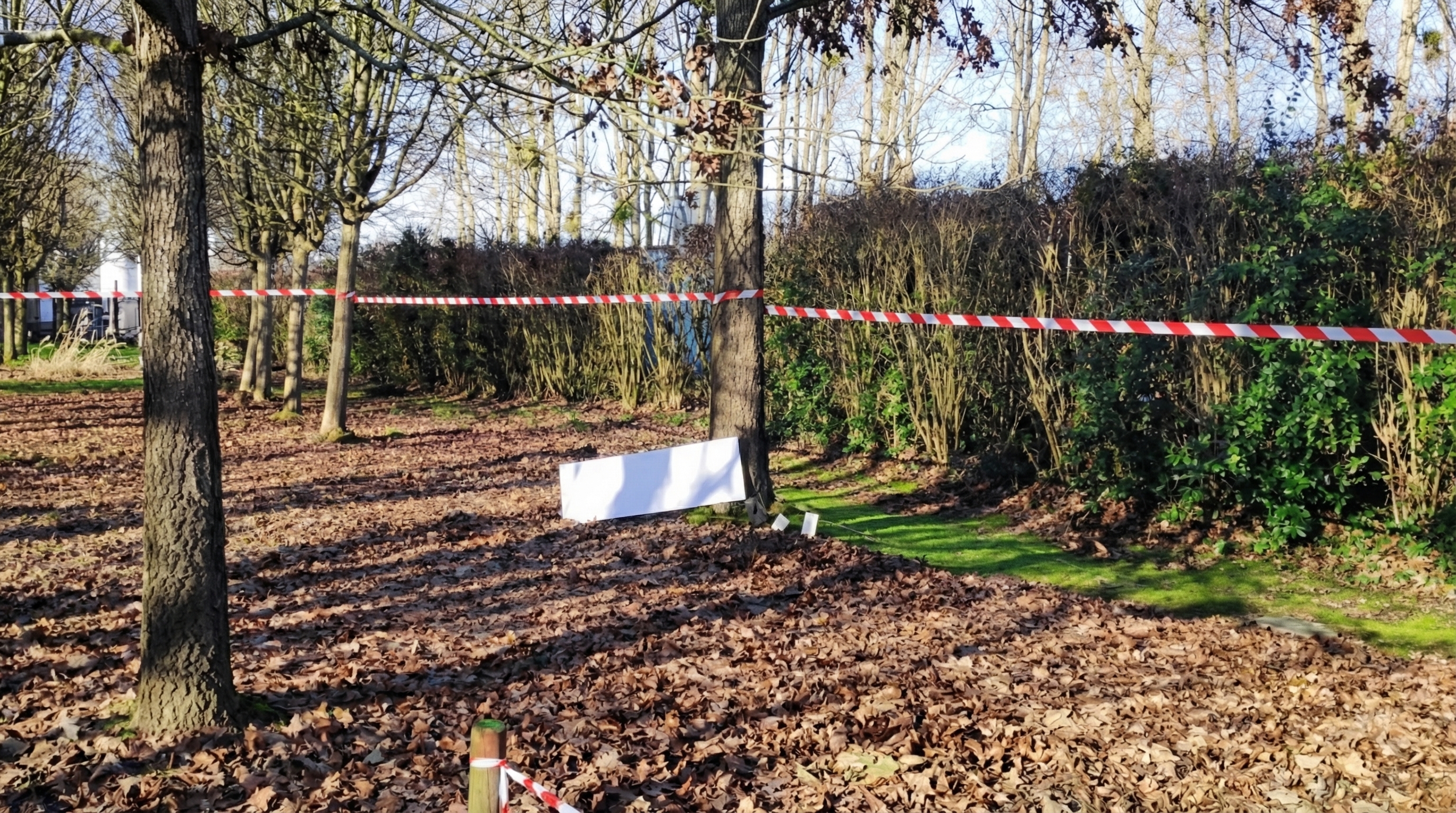
Proof of Concept

Proof of Concept
Thales TRT

Advancing Target Detection Through Polarimetric Imaging

Partner Thales TRT
Domain Defense & Security
Technology SWIR Polarimetric Imaging
Range Up to 20 m

A Strategic Co-Development Collaboration

OPIRIS has entered a co-development collaboration with Thales TRT to explore next-generation imaging capabilities for defense and security applications, focusing on target detection in degraded environments.

The objective of this proof of concept was to validate the practical applicability of polarimetric imaging in operational conditions, where conventional intensity-based sensors reach their performance limits.

Beyond Intensity: Polarimetric Sensing

Conventional imaging systems capture only the intensity of light at each pixel. In complex or degraded environments (fog, smoke, glare, or camouflage), this single dimension of information is often insufficient for reliable target detection.

OPIRIS's approach combines SWIR imaging with Stokes polarimetric analysis to extract richer scene information at the physics level.

SWIR Imaging
Short-Wave Infrared imaging penetrates atmospheric scattering and operates effectively in low-light conditions, enabling detection where visible-band cameras fail.
Stokes Polarimetry
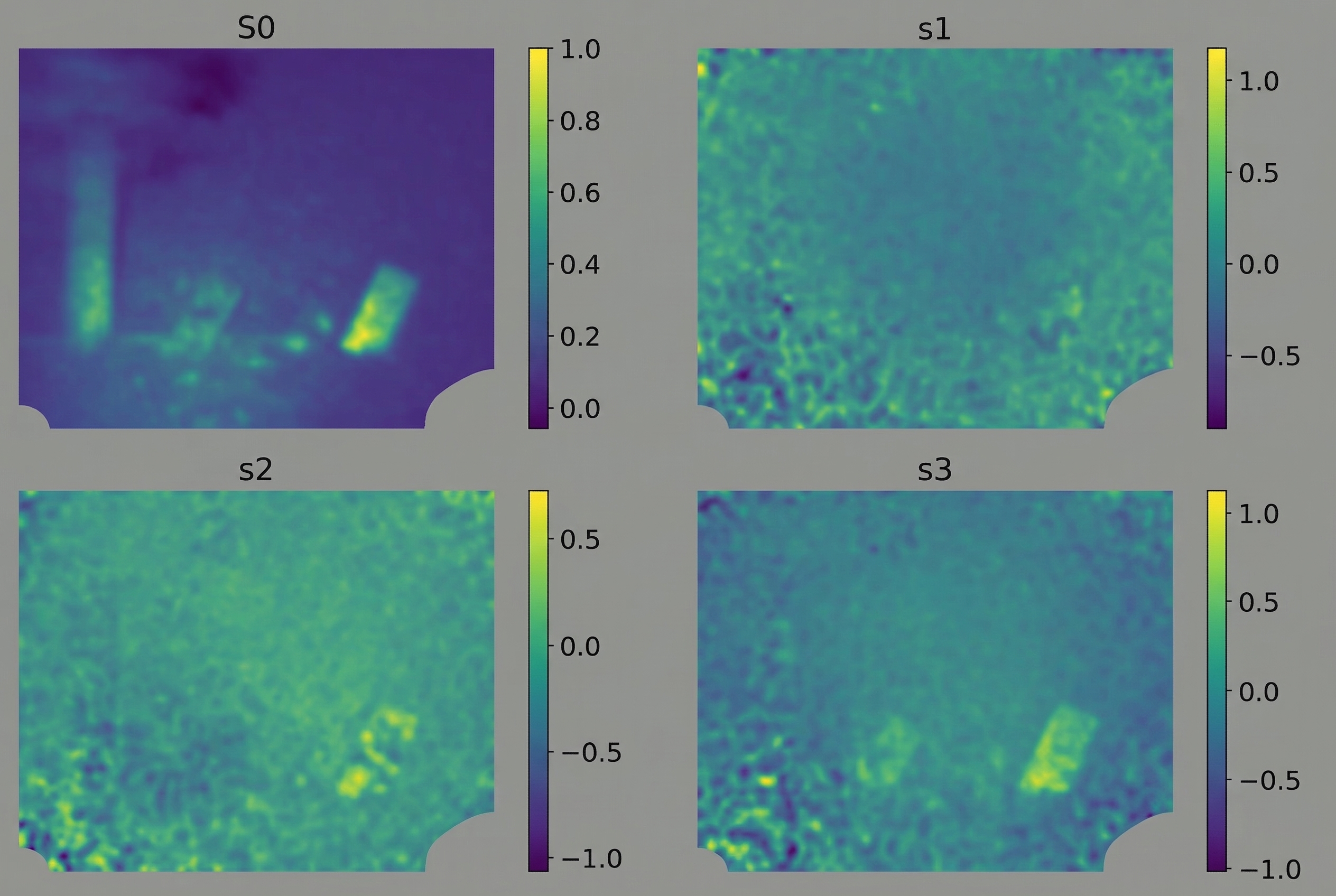
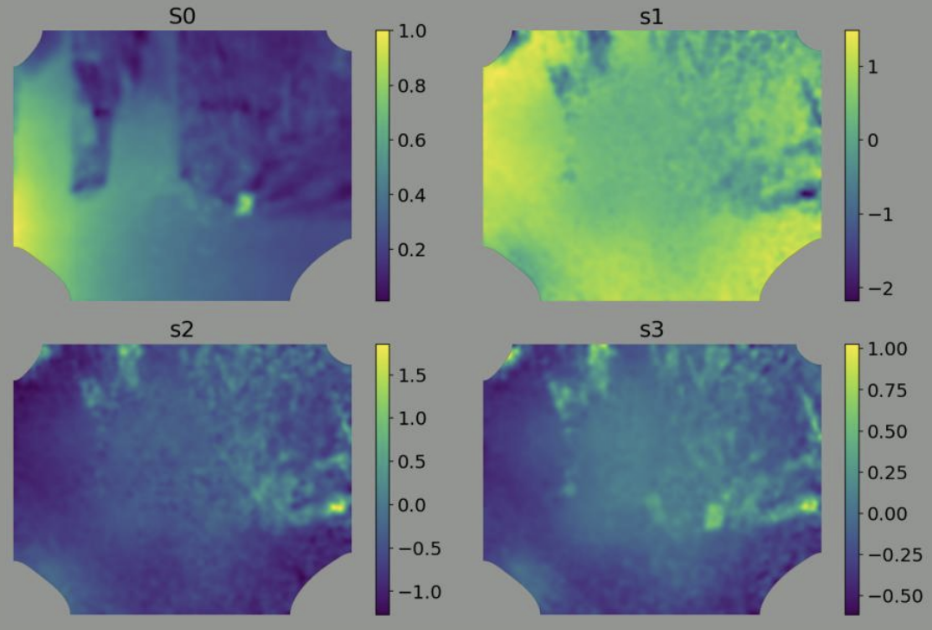
The Stokes vector encodes the full polarization state of light: degree of linear polarization, orientation, and circularity, providing parameters invisible to standard sensors.
Enhanced Detection
By processing multiple Stokes parameters simultaneously, the system extracts contrast cues that enable reliable target detection in complex and cluttered environments.
Signal Processing
Dedicated reconstruction algorithms compute Stokes parameters in real-time from a single-shot acquisition using OPIRIS's birefringent mask architecture.

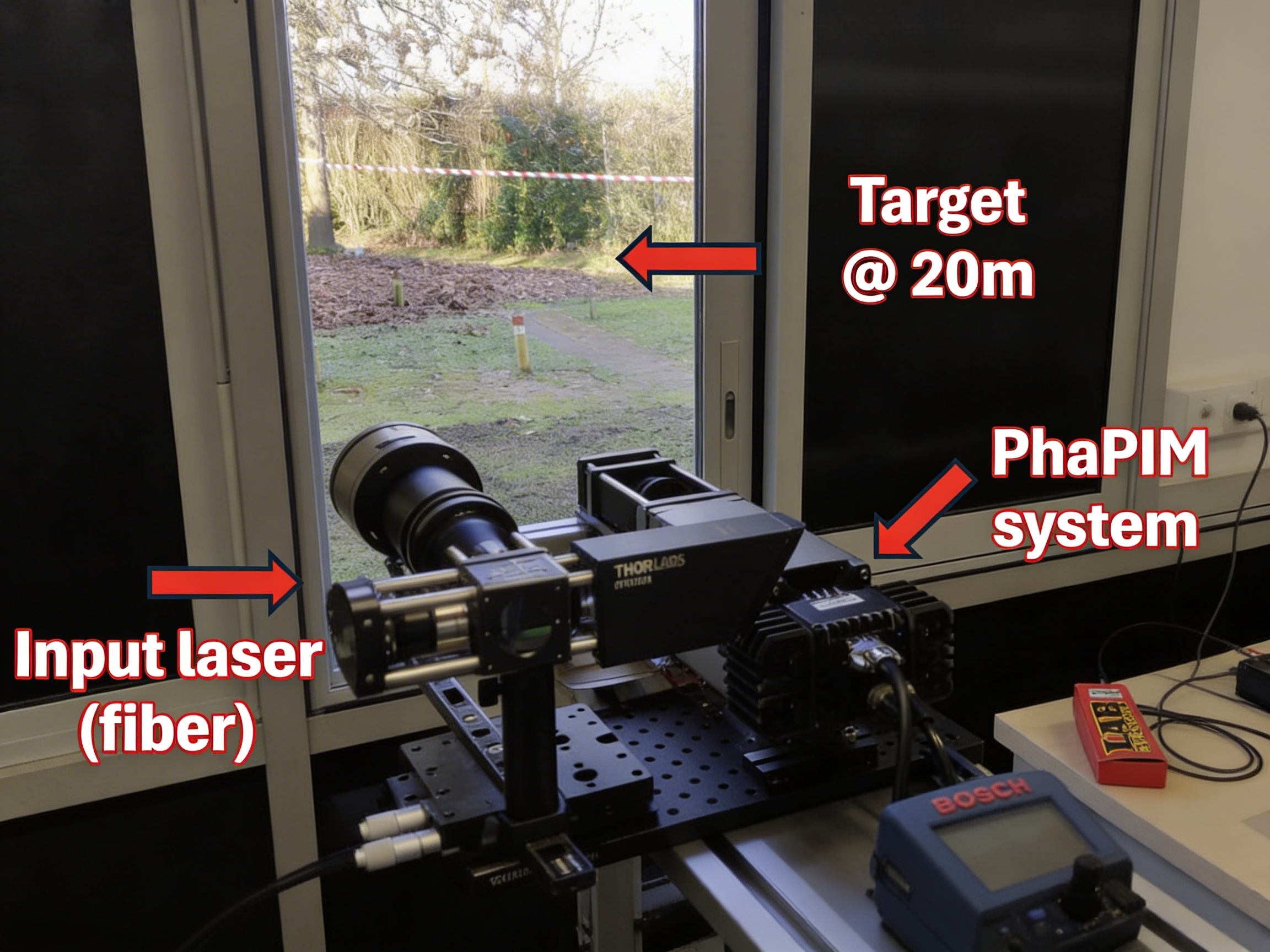
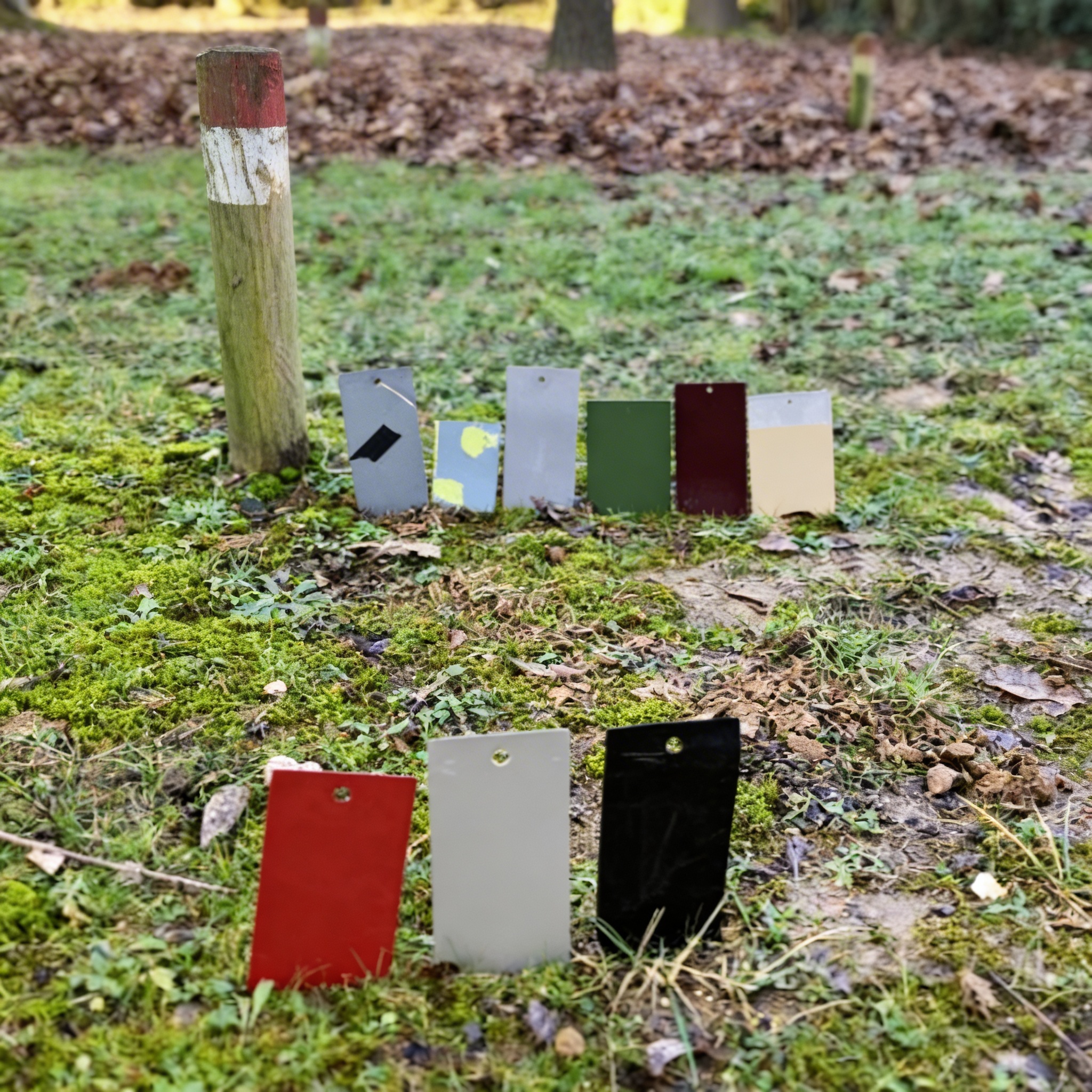
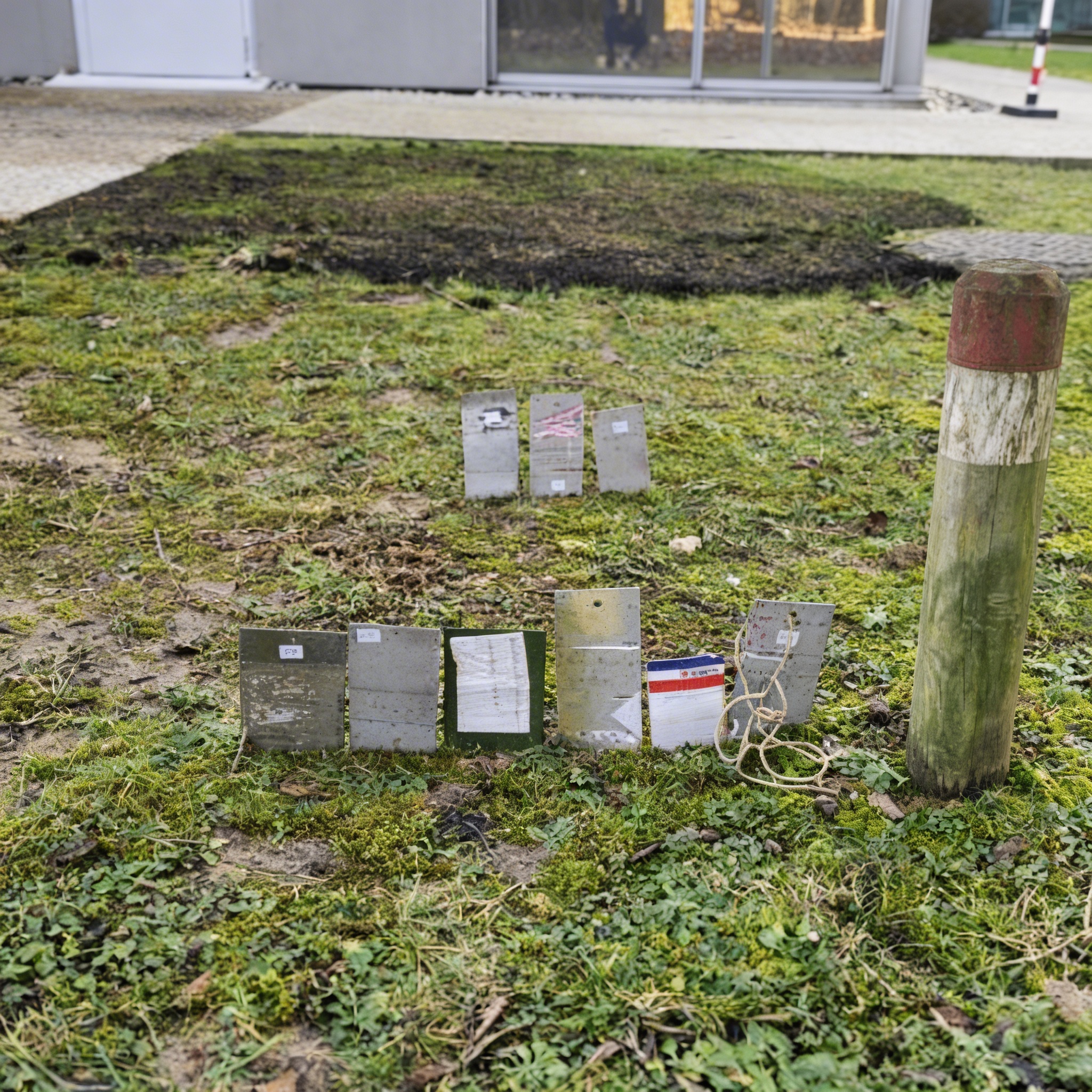
Operational Testing at Thales TRT

The system was deployed and tested in operational conditions at Thales TRT facilities. Results confirmed the capability of polarimetric imaging to outperform conventional sensors in challenging detection scenarios.

Target detection up to 20 meters
Detection under challenging visibility conditions where standard cameras showed degraded performance
Significant signal enhancement through polarization processing compared to intensity-only baselines
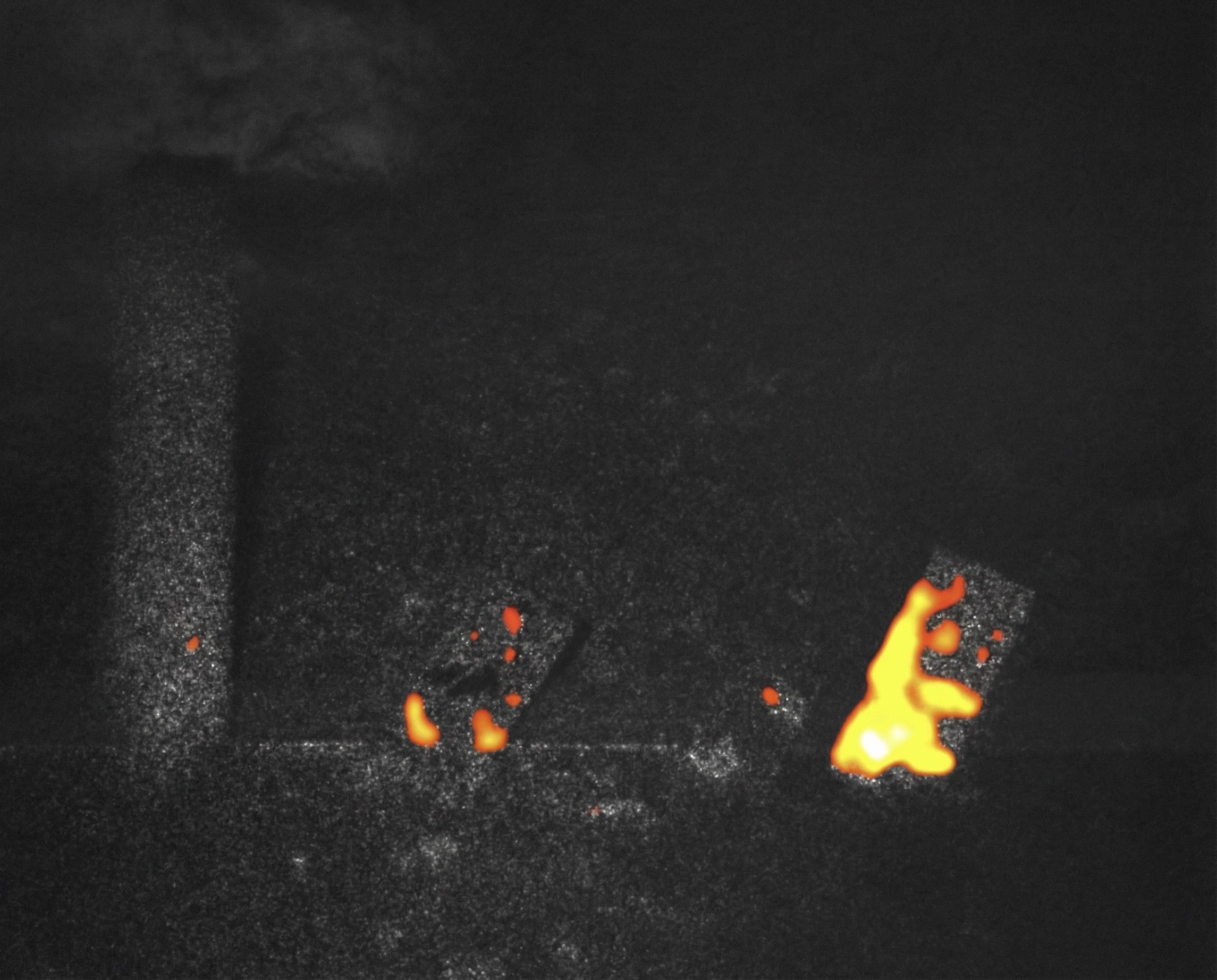
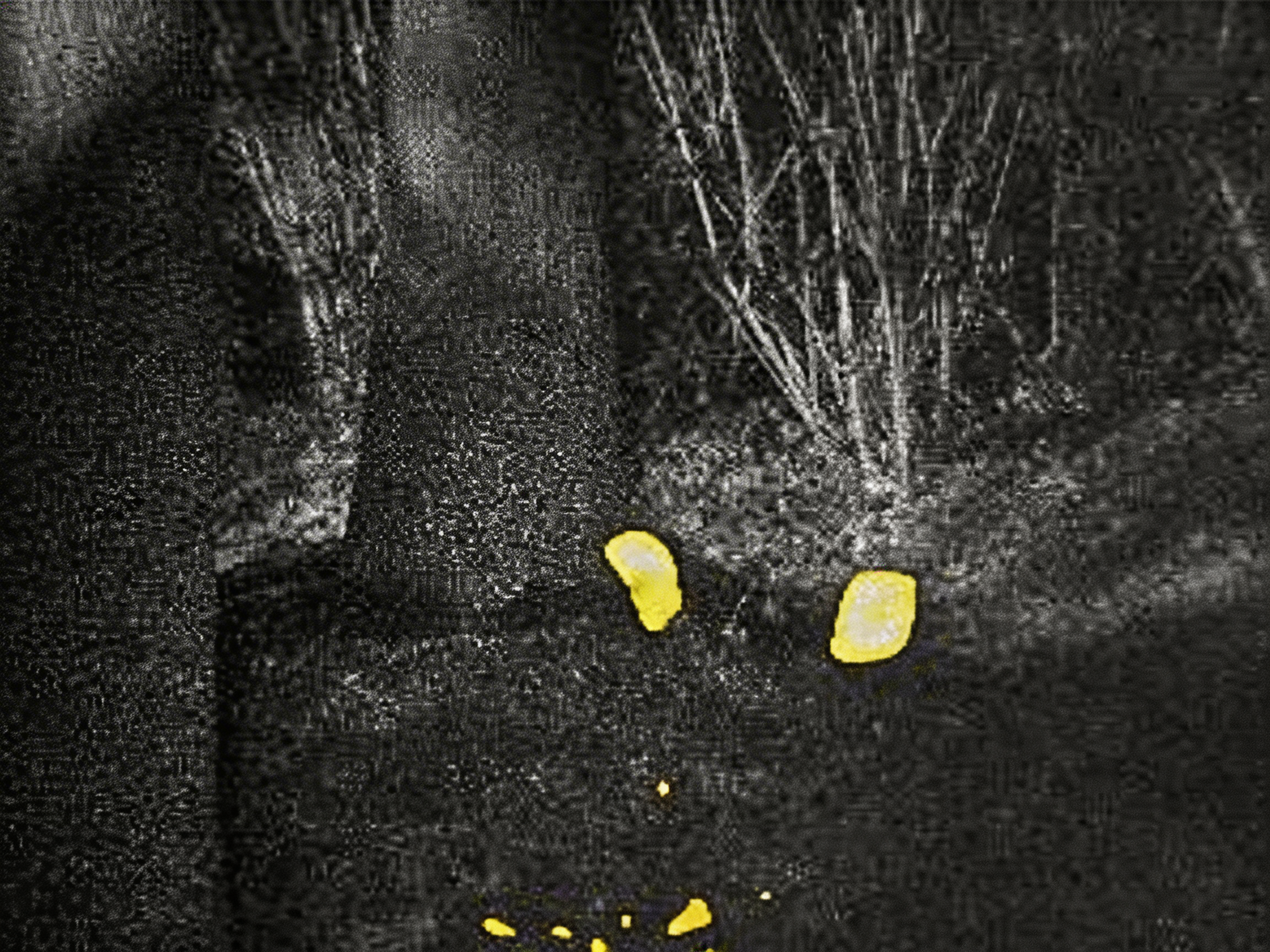
Reliable target extraction using Stokes parameter thresholding with robust segmentation results

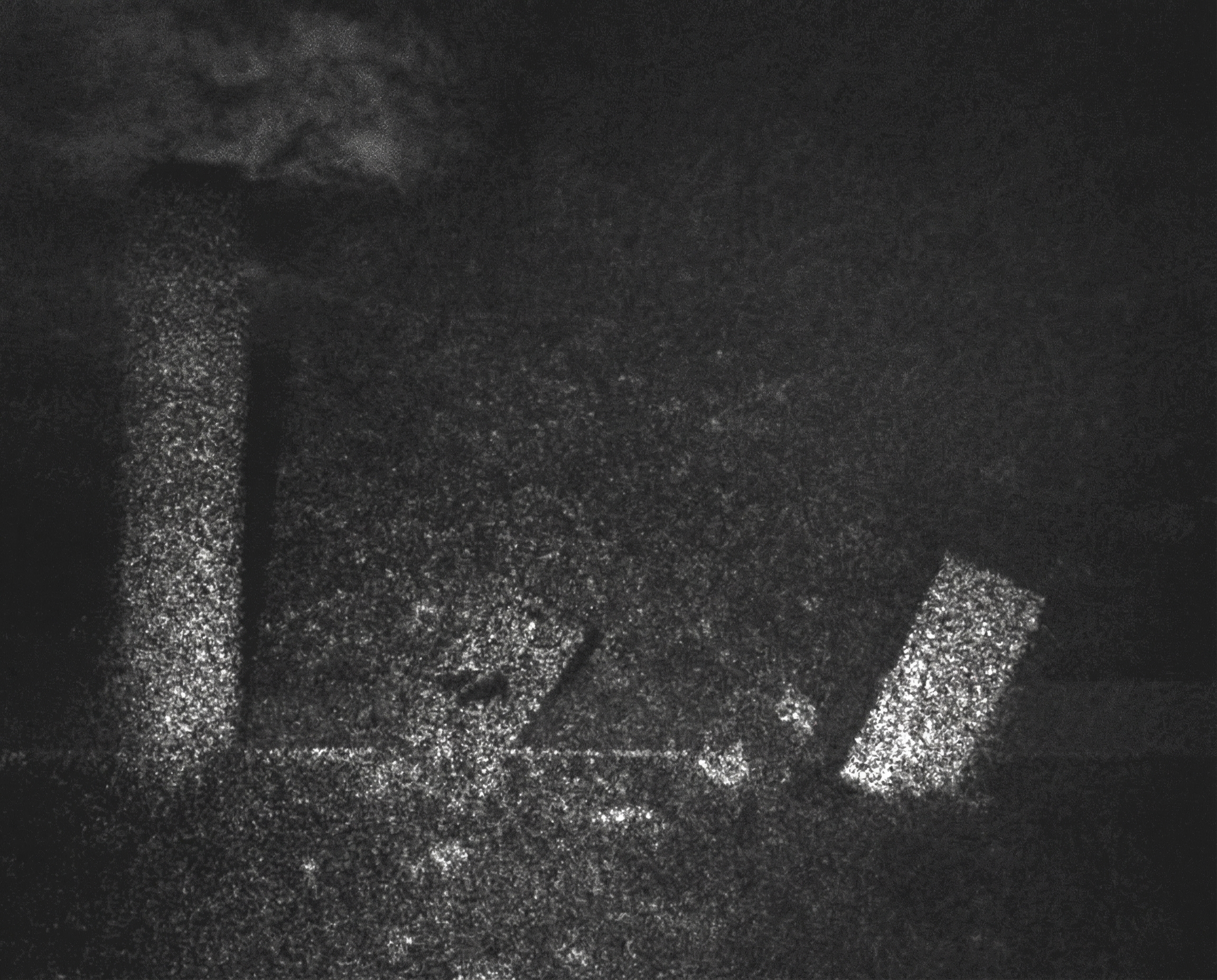
Detection Imagery

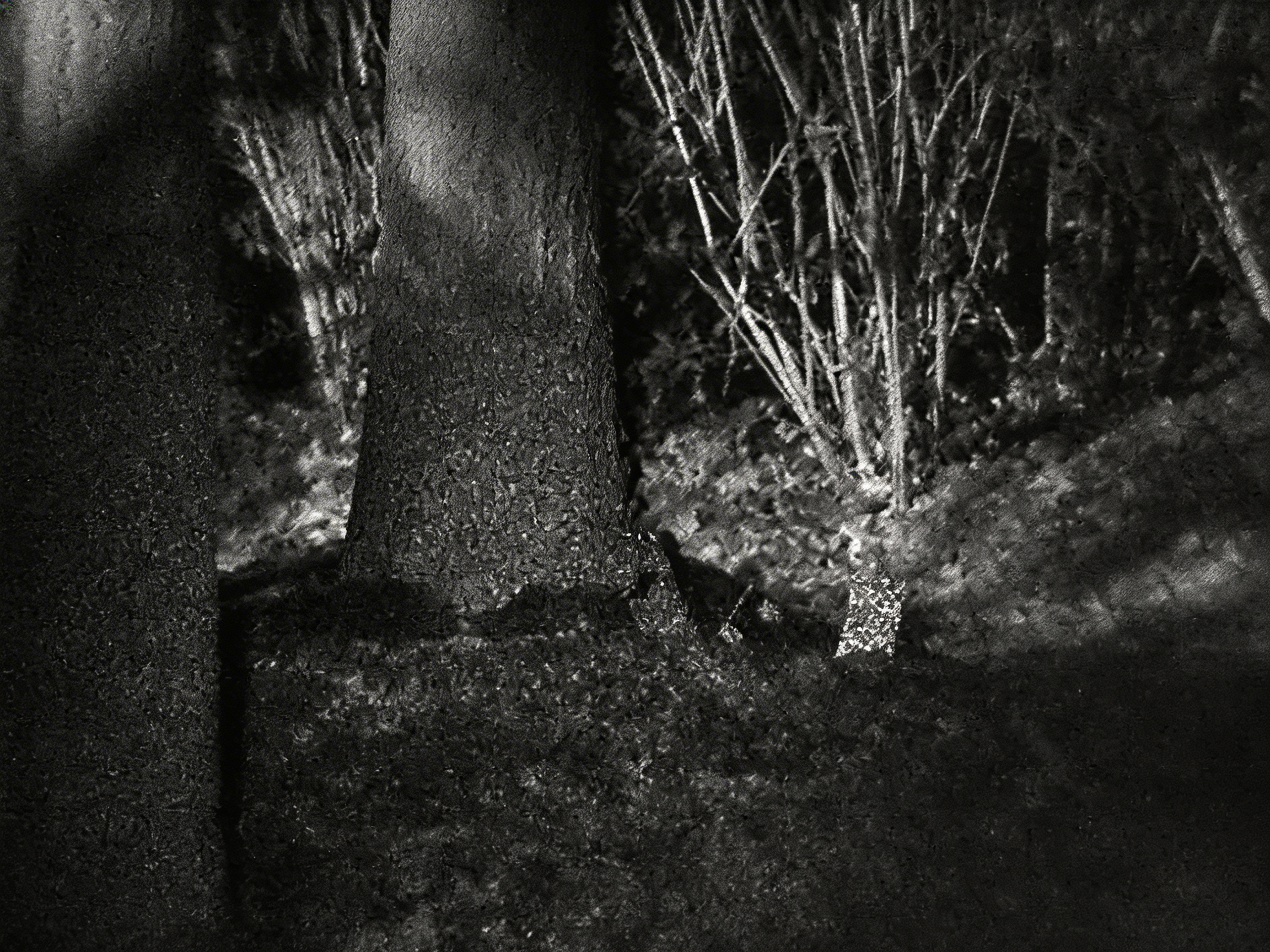
Representative outputs from the OPIRIS system captured during testing at Thales TRT facilities.
Full Demonstration

Hardware & Reconstruction Pipeline

The OPIRIS system is designed for direct integration with existing sensor platforms, requiring no major hardware overhaul.

Birefringent Mask
A micro-structured polarization mask placed directly in front of the sensor array. It spatially encodes the full Stokes polarization state in a single acquisition frame, with no rotating elements and no moving parts.
SWIR Camera
Operates in the 900–1700 nm short-wave infrared band, enabling imaging through atmospheric haze, smoke, and low-light environments beyond the visible spectrum.
Reconstruction Algorithms
Dedicated processing pipeline extracts the four Stokes parameters (S0, S1, S2, S3) from a single captured frame, enabling real-time polarimetric maps without multi-shot acquisition.
System Compatibility
Drop-in compatible with standard SWIR camera bodies. The solution can be retrofitted onto existing sensor platforms, minimizing integration time and cost for defense and industrial operators.

Opening New Horizons in Detection

OPIRIS demonstrates how polarimetric imaging enables detection beyond conventional vision systems, opening new possibilities for defense and security applications. The successful proof of concept with Thales TRT validates the operational readiness of the approach and establishes a foundation for further co-development toward deployable systems.